Behind the Perfect Image: Inside a High-Volume Retouching Studio
In today’s fashion and e-commerce industry, strong visuals are essential for capturing attention and building brand trust. Behind every polished product image is a high-volume retouching studio where creativity, technical precision, workflow management, and fast turnaround work together to process thousands of images while maintaining consistent quality and professional presentation.

What Makes a Retouching Studio “High-Volume”?
High-volume retouching is all about processing massive quantities of images without sacrificing quality, consistency, or turnaround time. In fast-moving industries like fashion and e-commerce, studios often handle anywhere from 1000 to 5,000+ photos daily, especially during peak seasons. These studios support fashion brands, e-commerce retailers, jewelry companies, furniture businesses, and beauty lines that constantly need fresh visual content.
Unlike high-end artistic retouching — where a single image may take hours to perfect — high-volume retouching focuses on speed, efficiency, and consistency. The goal is to make every product look clean, professional, and realistic through accurate colors, clean backgrounds, natural shadows, and consistent presentation that helps brands build trust and drive more sales.
Before Retouching Begins: Inside the Workflow
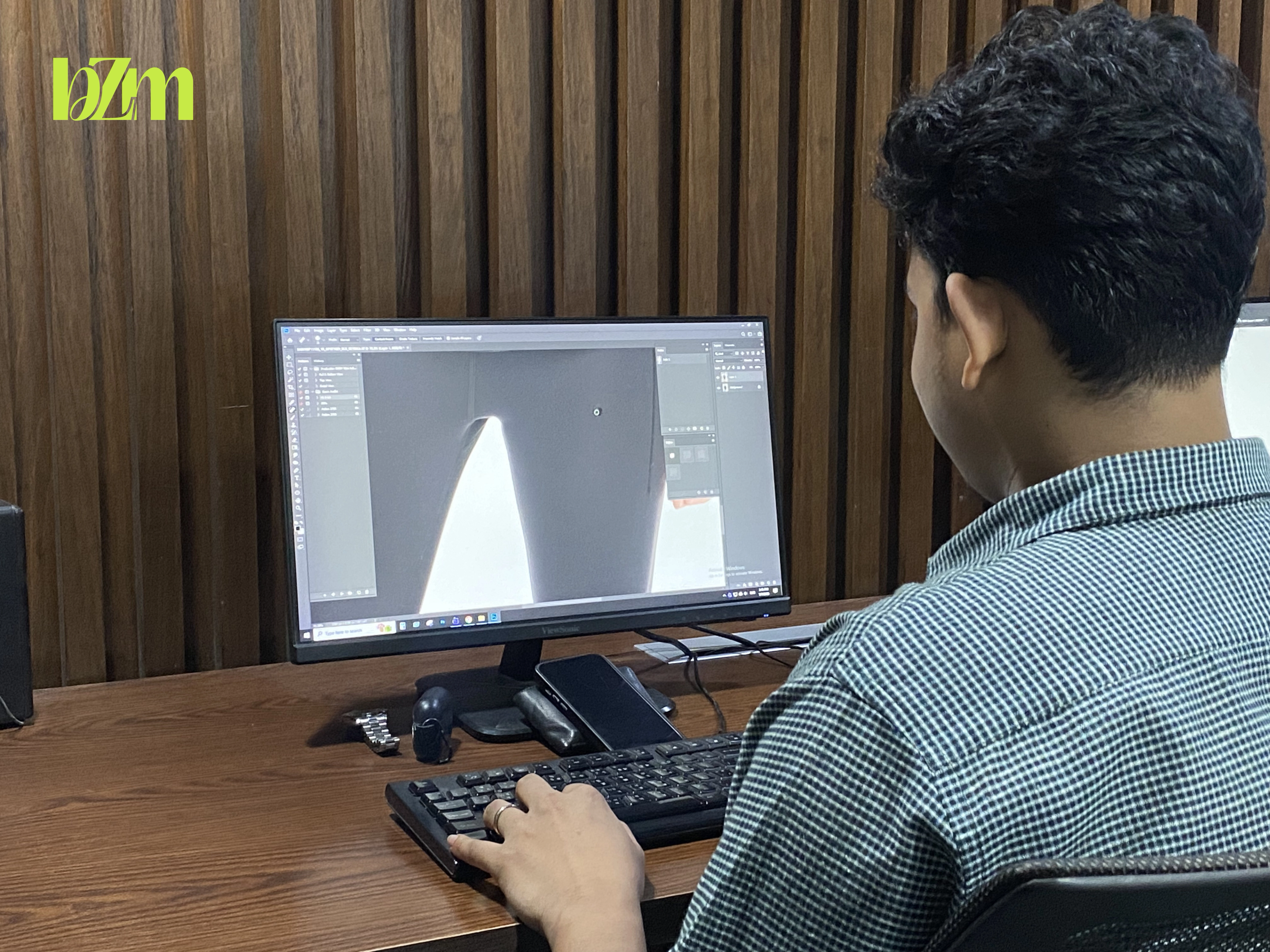
In a high-volume retouching studio, the work begins long before any editor opens Photoshop. Every project starts with file preparation, organization, and quality checks to keep the workflow smooth and efficient. Teams carefully review incoming files for missing images, incorrect formats, duplicates, or naming issues that could slow production later.
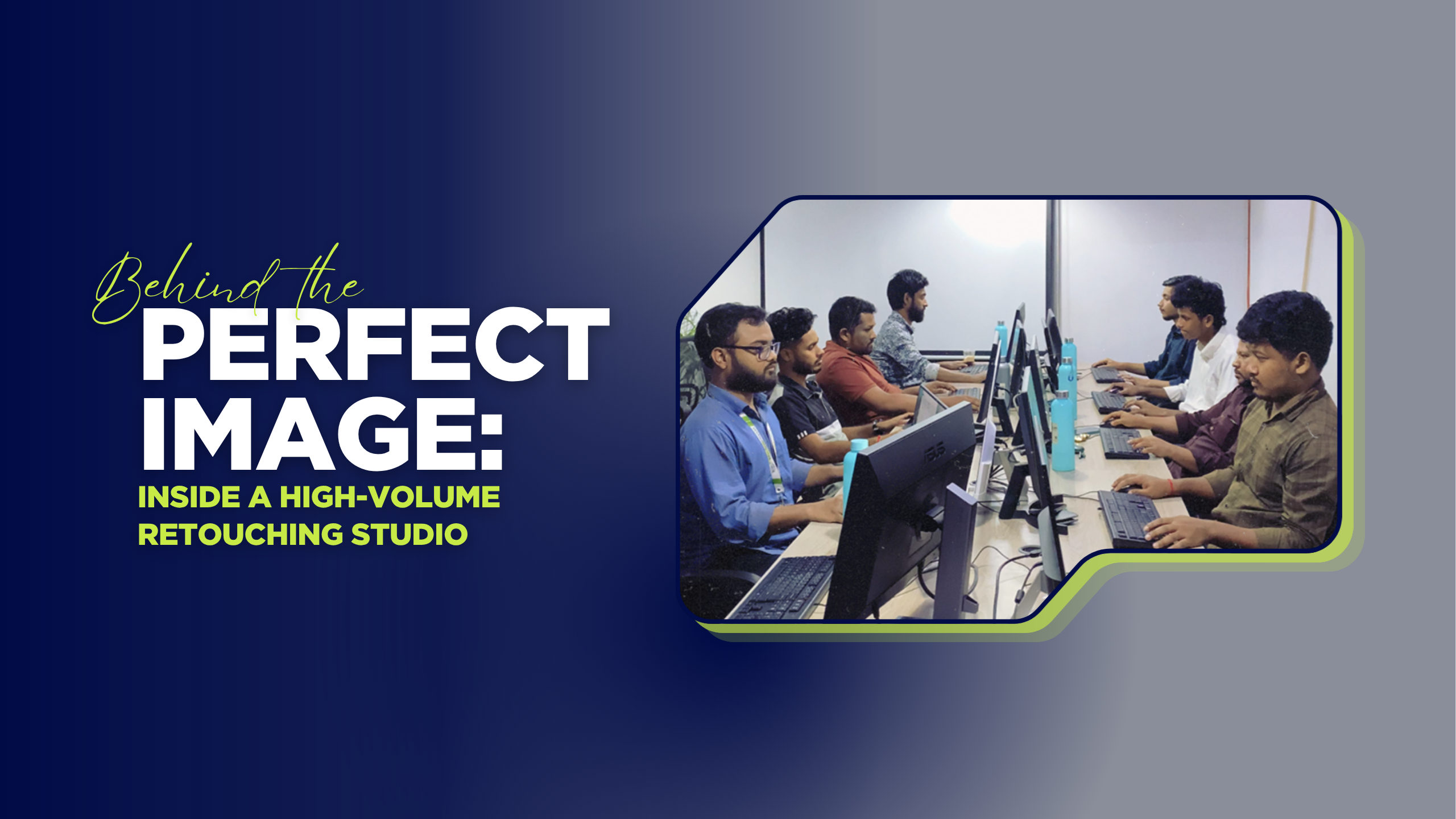
As fresh batches of images arrive throughout the day, project managers assign tasks and organize workflows across different teams. Some retouchers handle basic cleanup and consistency, while senior artists focus on complex edits and key campaign visuals. The environment moves fast, especially during peak production hours.
Even in high-speed production environments, attention to detail remains essential. Accurate colors, clean cut-outs, natural shadows, and consistent presentation are carefully reviewed before final delivery to ensure every image meets professional standards.
The Real People Behind the Pixels
What surprises most outsiders is how human this process remains even at high volume. It’s not robots clicking buttons. It’s a team of passionate creatives with different strengths:
- Project Team Managers catch problems early — from incorrect color profiles and damaged files to inconsistent lighting across an entire image set.
- Production Retouchers are the speed specialists. They clean backgrounds, correct exposure, and maintain consistent quality across hundreds of similar product images.
- Senior Retouching Artists specialize in advanced editing such as beauty retouching, jewelry enhancement, fabric texture recovery, and realistic ghost mannequin effects.
- Quality Control Team acts as the final layer of review. They ensure brand consistency, accurate skin tones across diverse models, and optimized visuals for both desktop and mobile viewing.
- Workflow & Operations Managers create custom tools, optimize production systems, and automate repetitive tasks to improve overall studio efficiency.
Studio culture plays a major role in high-volume retouching. The best studios treat retouchers as creative professionals, not just production workers. They encourage learning, share constructive feedback, and support healthy workflows to keep teams motivated, creative, and consistent even under pressure.
The Workflow: From Raw Files to Ready-to-Sell Images
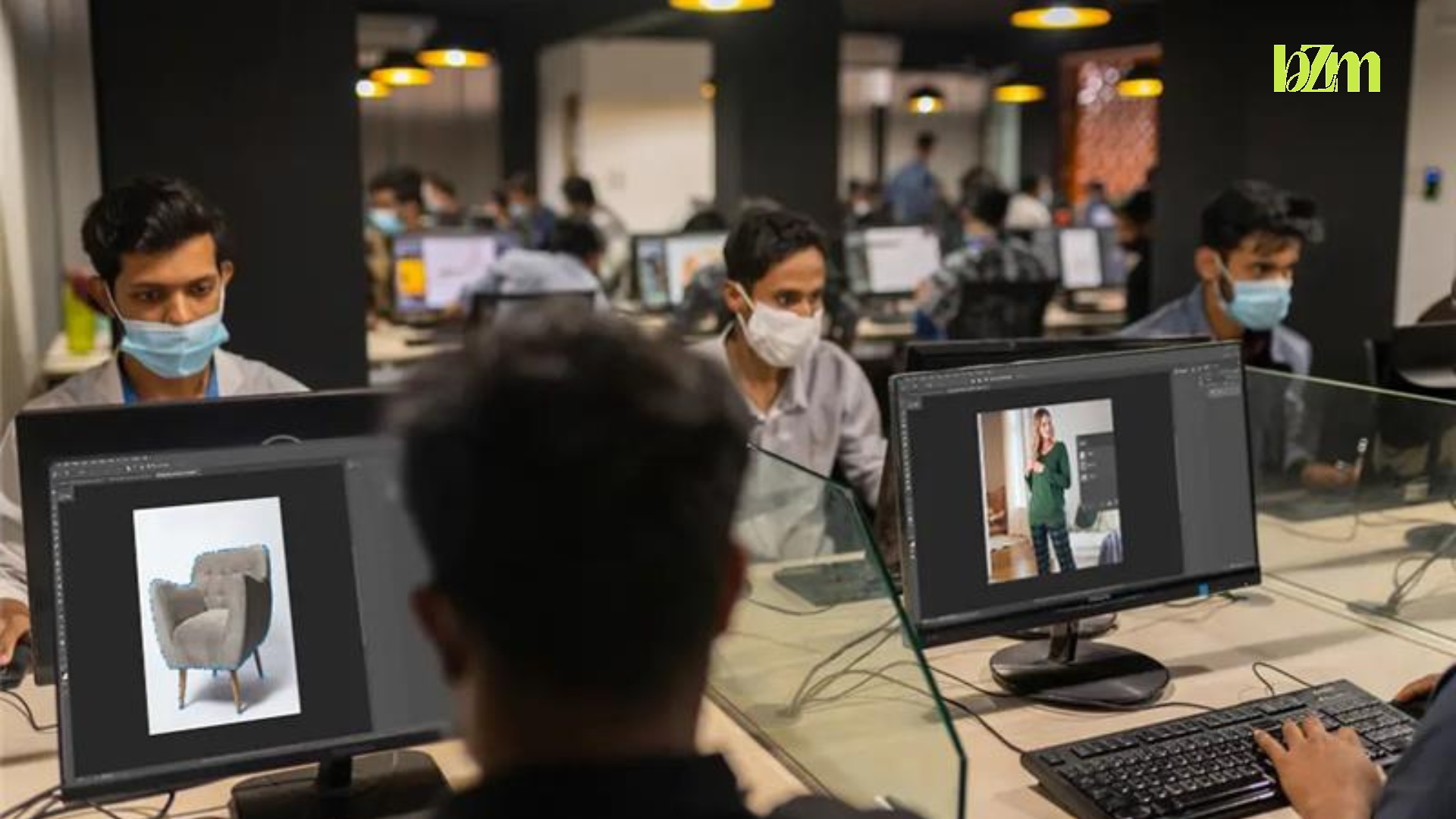
In a high-volume retouching studio, every project follows a structured workflow to keep production fast, organized, and consistent. The process begins with file preparation and quality checks to catch missing files, format issues, or technical errors before editing starts.
Images are then sorted and prioritized before moving into base corrections like exposure balancing, cropping, and color adjustments. From there, retouchers handle background cleanup, color enhancement, shadow creation, and other detailed edits depending on the project requirements.
Before delivery, every image goes through quality control to ensure consistency across the entire project. Files are then optimized for websites, social media, or e-commerce platforms and securely delivered to the client.
Why Quality Control Matters So Much
In high-volume retouching, even small mistakes can create big problems. A wrong product color, uneven shadow, missing detail, or inconsistent skin tone can affect how customers see a brand online. When hundreds or thousands of images appear together on a website, consistency becomes just as important as creativity.
That’s why quality control is one of the most important stages of the entire workflow. Before any project is delivered, images are carefully reviewed to ensure colors remain accurate, retouching looks natural, and every file matches the client’s visual standards. Quality control teams often compare images side by side to catch small inconsistencies that might otherwise go unnoticed.
Good quality control is not only about finding mistakes — it’s about protecting brand trust. Clean, consistent visuals help brands appear more professional, reliable, and polished across websites, campaigns, and social media. Behind every perfect-looking image is usually a final review process that ensures everything feels right before it reaches the customer.
The Future of High-Volume Retouching
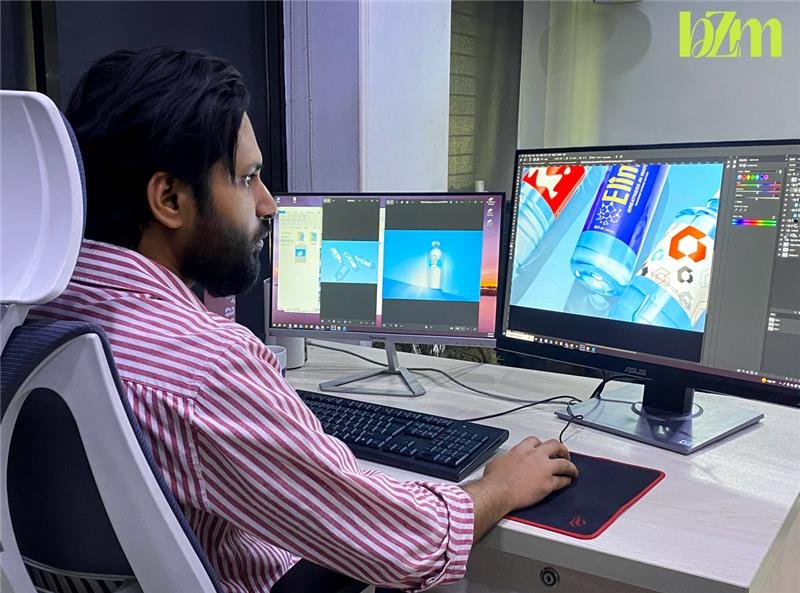
The retouching industry is evolving faster than ever. AI tools are becoming smarter, automation is speeding up production, and studios are handling larger volumes of content every year.
But even with all this technology, human judgment still matters.
Brands care deeply about how their visuals feel. Luxury brands want refinement and precision. Fashion brands focus on mood and storytelling. E-commerce companies depend on accuracy, consistency, and clean presentation.
The future will belong to studios that can balance technology with creativity. Faster workflows and automated systems will improve efficiency, but strong quality control and experienced retouchers will remain essential.
Because in the end, technology can support the process — but it cannot replace the human eye behind great visual content.
Final Thoughts
In today’s fast-moving e-commerce landscape, a high-volume retouching studio is no longer a luxury — it’s a competitive necessity. These specialized production hubs help brands maintain the perfect balance of speed, consistency, and visual quality across thousands of images. From product photo cleanup to lifestyle campaign enhancement, professional retouching directly influences brand perception and customer engagement.
What sets the best studios apart is their ability to combine smart automation with genuine human creativity. AI can speed up repetitive tasks, but skilled retouchers still bring the judgment, emotion, and brand consistency that polished visuals require. This balance between technology and artistry is shaping the future of product photo retouching.
At bZm Graphics, high-volume retouching is built on one simple principle: Fast delivery should never compromise quality. Because every image shapes how a brand is seen.

Written by
Mirza Amirul Islam