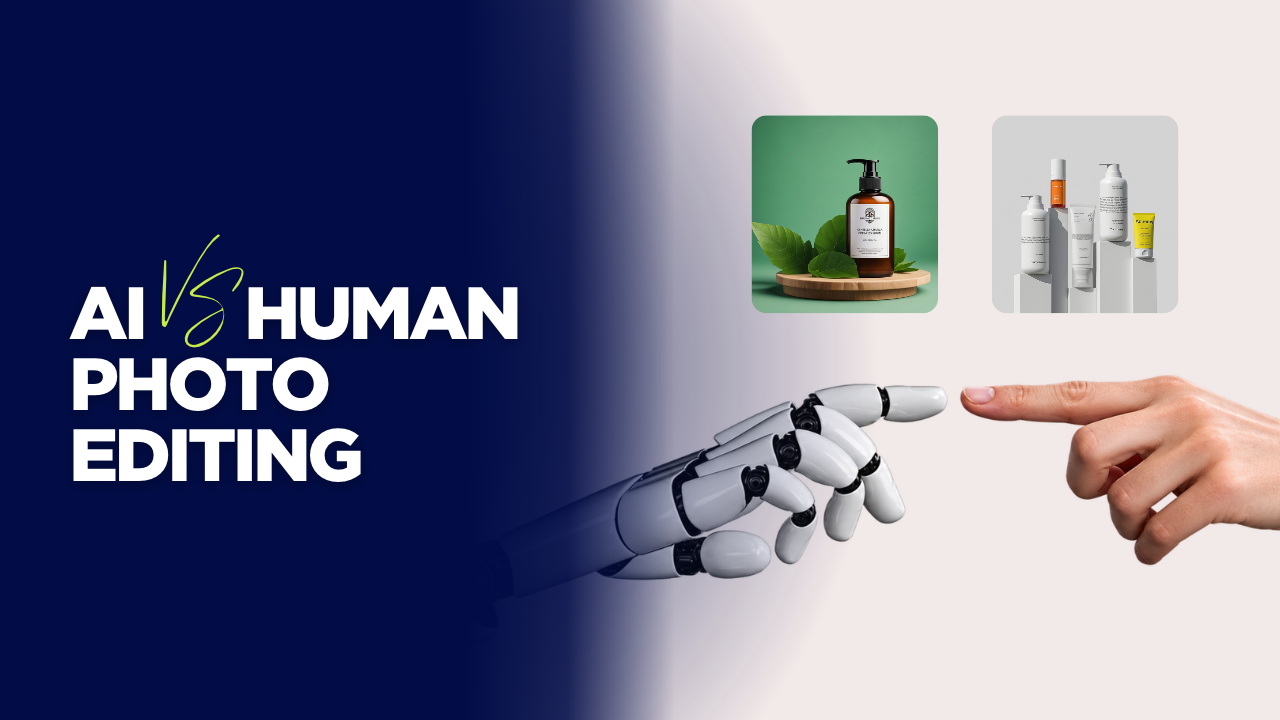
AI vs Human Photo Editing
Discover how AI and human photo editing compare for ecommerce brands, retailers, and creative teams. Learn where AI delivers speed and cost efficiency, where skilled retouchers ensure precision and brand consistency, and how a hybrid workflow can optimize post-production, maintain high-quality product imagery, and reduce editing costs across large catalogs.

AI vs Human Photo Editing for Ecommerce
AI photo editing is fast, cheap, and good enough for simple, clean product shots. Human editing wins where judgment and hard edges matter: hair, glass, jewelry, skin, and keeping a whole catalog consistent. Most brands do not pick one, they use both. Here is where each one fits so you spend on the images that actually need a person.
What AI photo editing does well
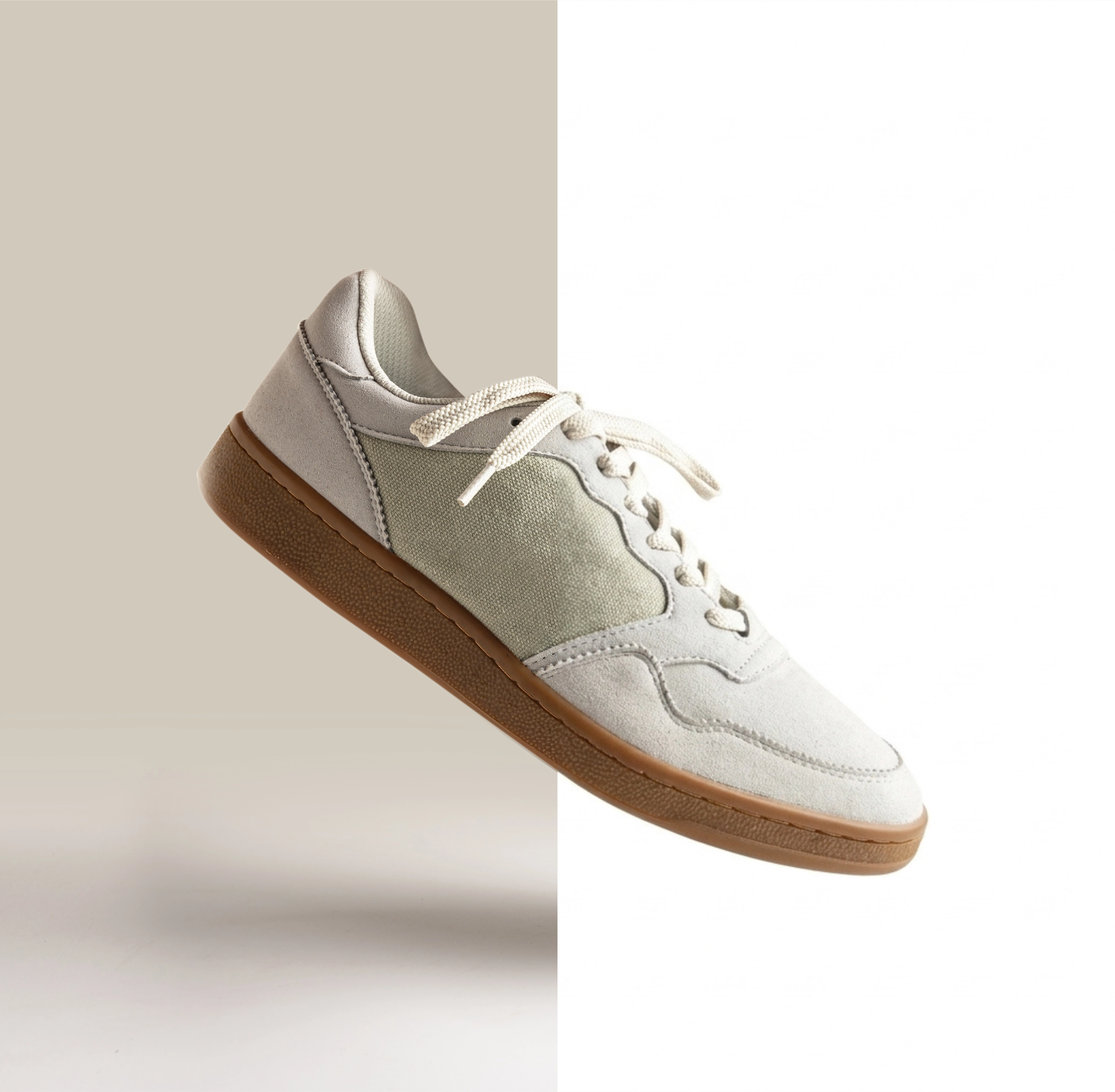
The tools have come a long way. For a clean product on a plain background, an AI tool can cut out the subject, drop in white, straighten, and do basic cleanup in seconds. It is cheap, it runs at any hour, and it is a genuine time saver for the easy majority of a catalog. Used as a first pass on simple images, AI clears the boring work so your money goes to the shots that are actually hard.
Where AI still falls short
The trouble is the edges and the judgment. These are where automatic editing still slips.
- Fine edges. Hair, fur, fabric wisps, and feathers come back with a halo or a chewed outline.
- Glass and transparency. See through items lose the very thing that makes them see through.
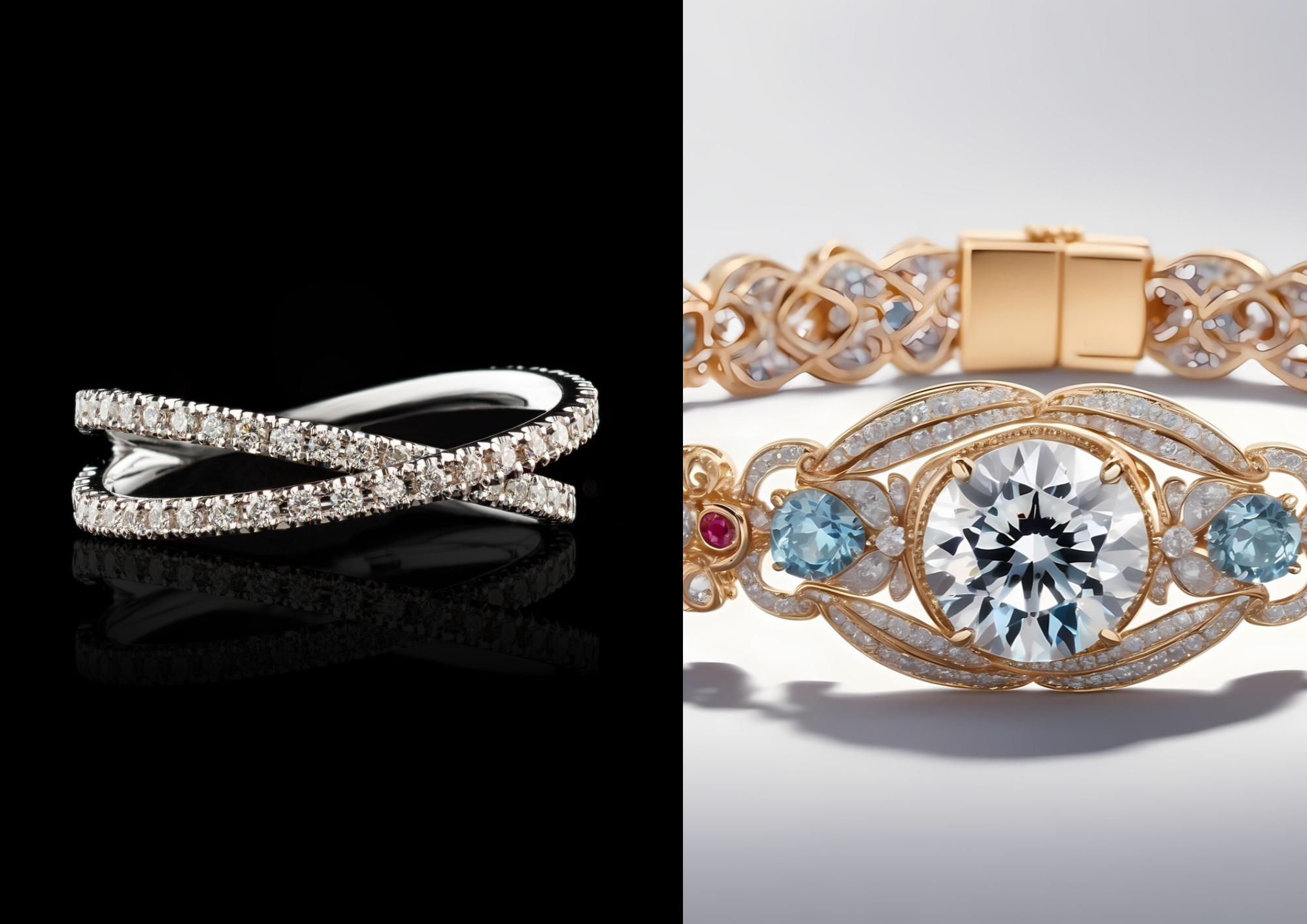
- Reflections and metal. Jewelry and glossy products get muddy or fake looking surfaces.
- Consistency at scale. Run five hundred images through a tool and the results drift, so some are clean and some are not.
- Judgment. Knowing how far to retouch skin, which reflection to keep, or when a color looks off is a human call.
The real risk with AI is not the obvious failure, it is the image that looks almost right. Almost right still has to be caught, and catching it takes a person looking.

What a human editor adds
A trained editor brings the things a model cannot: clean hard edges drawn by hand, consistent color and crop across a whole range, restraint on retouching so products still look real, and a final check before anything ships. On a brand catalog, that consistency is what makes the images look like one brand instead of five freelancers.

The setup most brands actually use
The workflow that holds up is simple. Let AI or batch actions handle the easy, clean images as a first pass. Send the hard minority, the hair, glass, jewelry, and on model shots, to a person. Put a human quality check over everything before it goes live. You get the speed and cost of automation on the bulk, and real hands on the images that decide whether a listing looks trustworthy.
A quick way to decide
Look at the edge of the product and the stakes of the image. If you could trace it with one clean line and it is a simple listing, let AI do it. If the edge is soft or reflective, or it is a hero image a customer will judge the brand on, give it to an editor. When in doubt, automate the easy ones and have a person check the rest.
Frequently asked questions
Is AI photo editing good enough for ecommerce? For simple products on clean backgrounds, often yes. For hair, glass, jewelry, reflections, and brand consistency across a large catalog, it still needs a human editor.
Can AI replace a photo editor? Not fully. It replaces the repetitive first pass on easy images, but the hard edges, the judgment calls, and the final quality check still need a person.
What does AI get wrong on product photos? Fine edges like hair and fur, transparent and reflective items, and consistency when the same settings are run across hundreds of images at once.
Should I use AI or a studio? Use both. AI for the simple, high volume images, and a studio for the hard shots and a final check. That mix gives you speed without losing quality.
What this looks like on a real catalog
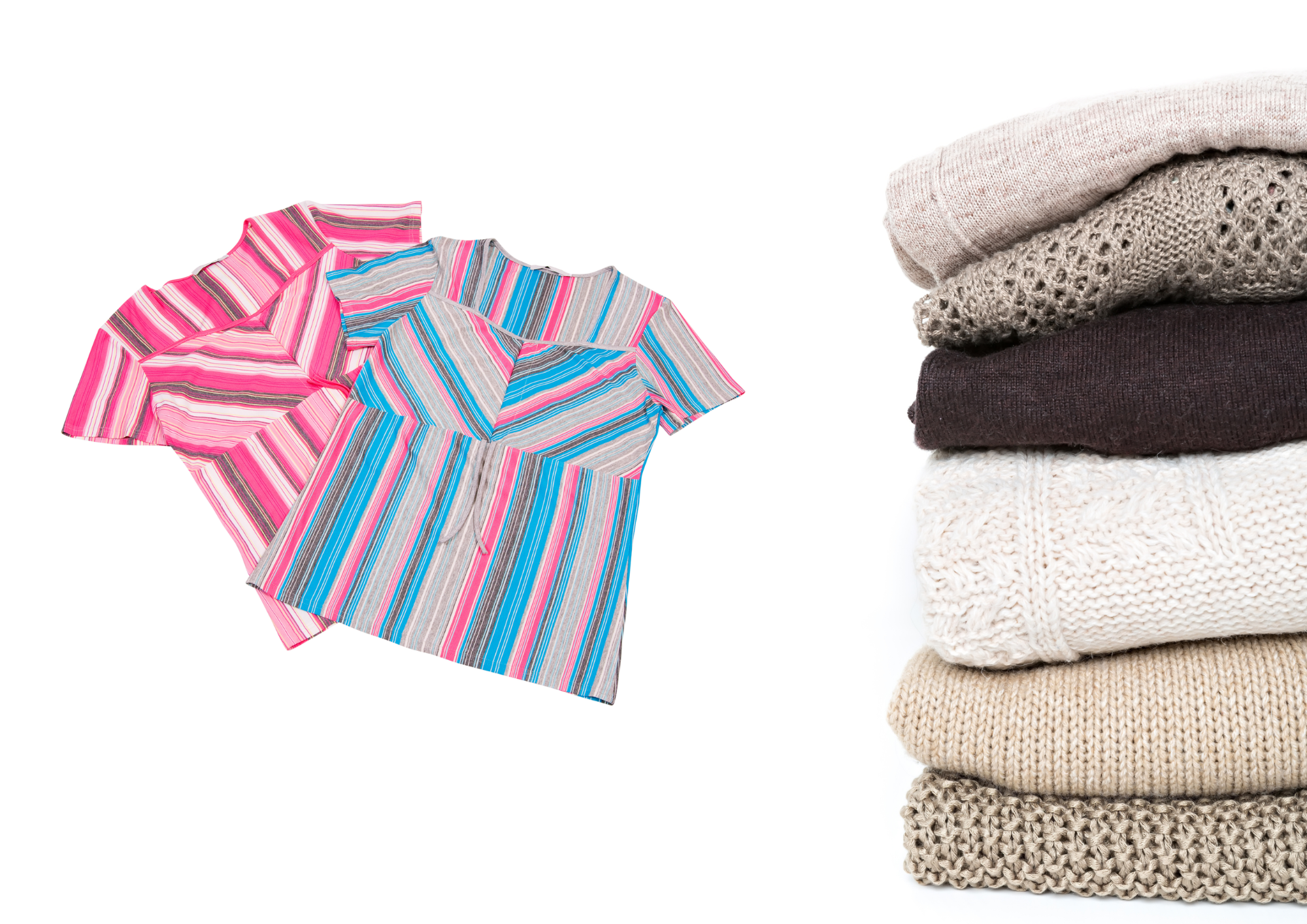
Picture a two hundred product apparel drop. Most of it is folded or packshot items on white, with clean edges, so it is simple. Those run through a batch or AI first pass fast. The on model and ghost mannequin shots, maybe forty of them, go to editors by hand, because that is where hair, fabric edges, and fit have to look right. A final pass checks color and crop across all two hundred so the set looks like one brand. The result is automation pricing on the bulk and editor time only where it changes the sale.
Common mistakes to avoid
- Shipping AI output with no human check, so the almost right images slip through.
- Running hero and on model shots through a tool to save money, then looking cheap.
- Letting results drift across a catalog because no one set a single standard.
- Pushing sliders until skin and products look plastic.

Written by
Mirza Amirul Islam