Bring supplier photos, studio batches and existing product assets into one consistent catalog. Agreed backgrounds, considered crops and the right output for every channel.
Standardization brings product images into an agreed visual and technical system.
It can combine cropping, alignment, background treatment, color matching, resizing and export preparation. The goal is a consistent catalog that preserves what makes each product different.
Resizing changes an image’s dimensions. Standardization also considers how the product sits in the frame, whether related views match and whether the file follows your publishing requirements.
We work from approved references and category rules. Your creative team keeps control of the visual direction while our post-production team applies the agreed treatment across new batches, supplier images and catalog updates.
The difference is in the system
A collection should feel like a collection.
Individual products. Shared presentation rules. Explore how framing changes the whole set.
A shared system. Specific rules for each category.
Define the references first. Then apply them across the batch.
01
Background consistency
White / Gray / Approved brand backgrounds
Bring mixed supplier backgrounds into the treatment your catalog uses. Background removal, edge cleanup and image masking are scoped to the product and source file. We follow your agreed color values and keep delicate edges, transparent areas and material detail under review.
02
Cropping, margins & alignment
Canvas / Position / Category templates
Standardize aspect ratios, image dimensions, product placement and clear space. Apply category-specific templates so footwear, apparel, accessories and packaging sit consistently within the frame. Agree whether products share a baseline, a center position or another reference before batch production.
03
Product size within the frame
Visual balance / Proportions / Comparison
Adjust the space a product occupies in the image without stretching its shape. A consistent visual fill makes a collection easier to scan. Where actual relative size matters, use supplied measurements or approved references rather than treating every item as physically equal.
04
Color matching & tonal consistency
Approved references / Material accuracy
Match product colors to the references you supply and reduce avoidable differences between views. Review exposure and tonal balance while preserving fabric, leather, metal and packaging finishes. Exact color decisions need a reliable reference; an unclear source should be flagged rather than guessed.
05
Shadows, edges & product cleanup
Contact / Texture / Detail preservation
Bring shadows into a consistent treatment and clean distracting marks within the agreed scope. Preserve logos, stitching, engraving and other identifying details. Complex reflections, shape changes and advanced retouching are assessed separately so the production brief remains clear.
06
File naming, resizing & exports
SKU mapping / Formats / Delivery folders
Prepare the requested sizes, file types, naming conventions and delivery structure. Use your supplied SKU or asset mapping to identify files and views. Confirm color profile, compression and channel versions before production, keeping the approved master and its exports clearly distinguishable.
The product stays the priority
Consistent framing. Distinct materials.
Standardization should bring order to the frame while preserving the details customers need.
01 / Shape, texture & baseline
A reference for every category.
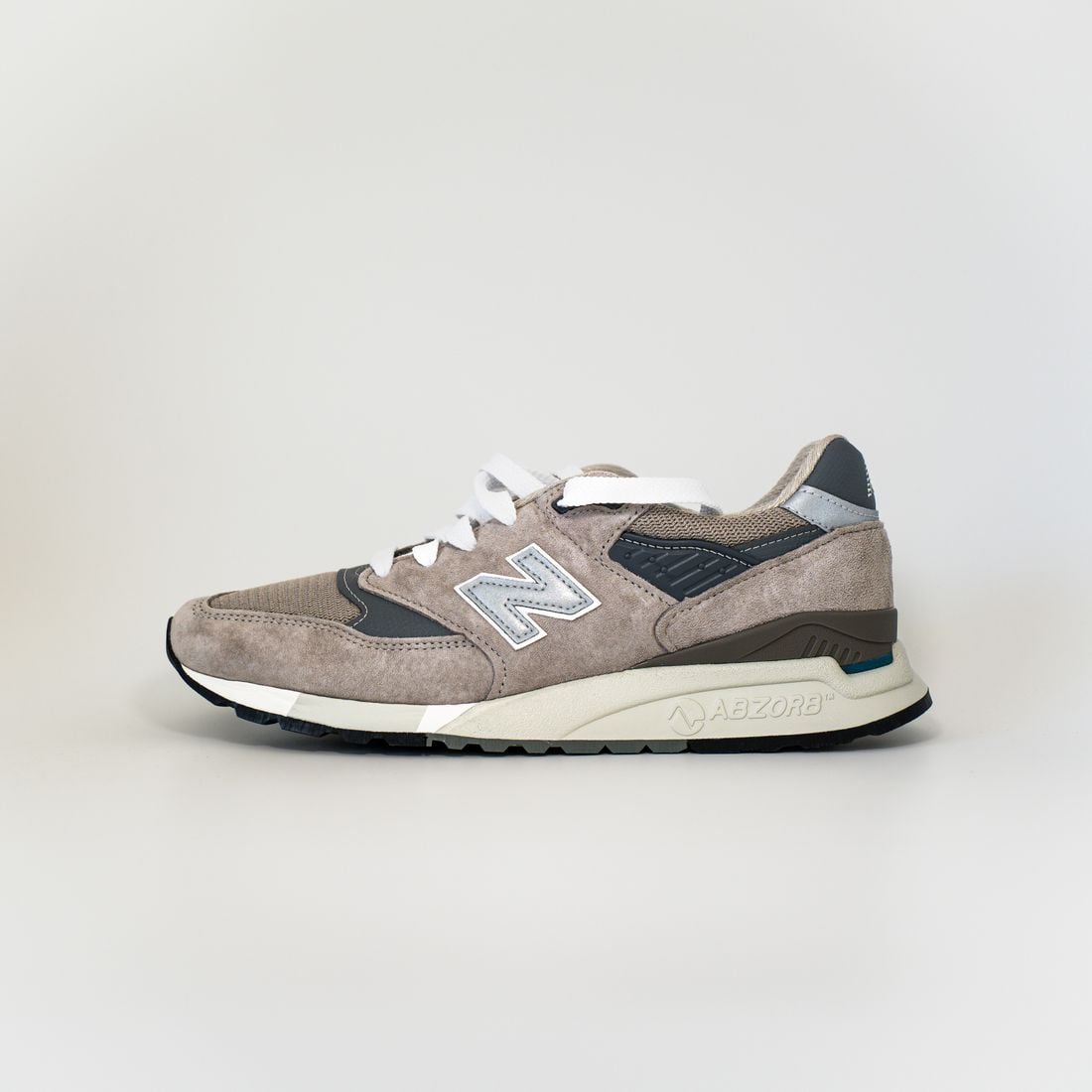
Footwear needs room for the silhouette, consistent placement and visible material detail. Agree the template around the product.
02 / Edges, labels & finish
Detail without distraction.
Packaging needs clear edges, legible labels and a controlled finish. Define the background and shadow treatment before production.
Supplier image standardization
Many contributors. One retailer’s requirements.
Keep your catalog consistent as new products arrive.
01 / Supplier assets
Mixed incoming imagery
Photos can arrive with different backgrounds, crops and naming conventions. Share usable source files and your retailer guidelines so we can assess the work needed to bring them into the same catalog treatment.
02 / Studio batches
New collections
Apply the same approved rules as styles, colors and categories are added. Maintain continuity between shoots while reviewing any new materials, product shapes or creative treatments that need a separate reference.
03 / Existing libraries
Catalog refreshes
Prepare selected existing assets for updated dimensions, backgrounds or presentation rules. Review the source quality first and define which files can be adapted and which need replacement or new photography.
Supplier product image standardization is part of this service. Product identity, rights to use the files and missing views remain important inputs. We flag uncertain assets for your team’s decision instead of treating visual cleanup as proof that a file belongs to the correct SKU.
Category-specific image standards
Same care. Different product rules.
Build category templates under one brand direction. A garment, a bag and a bottle need different decisions.
Apparel & flat lays
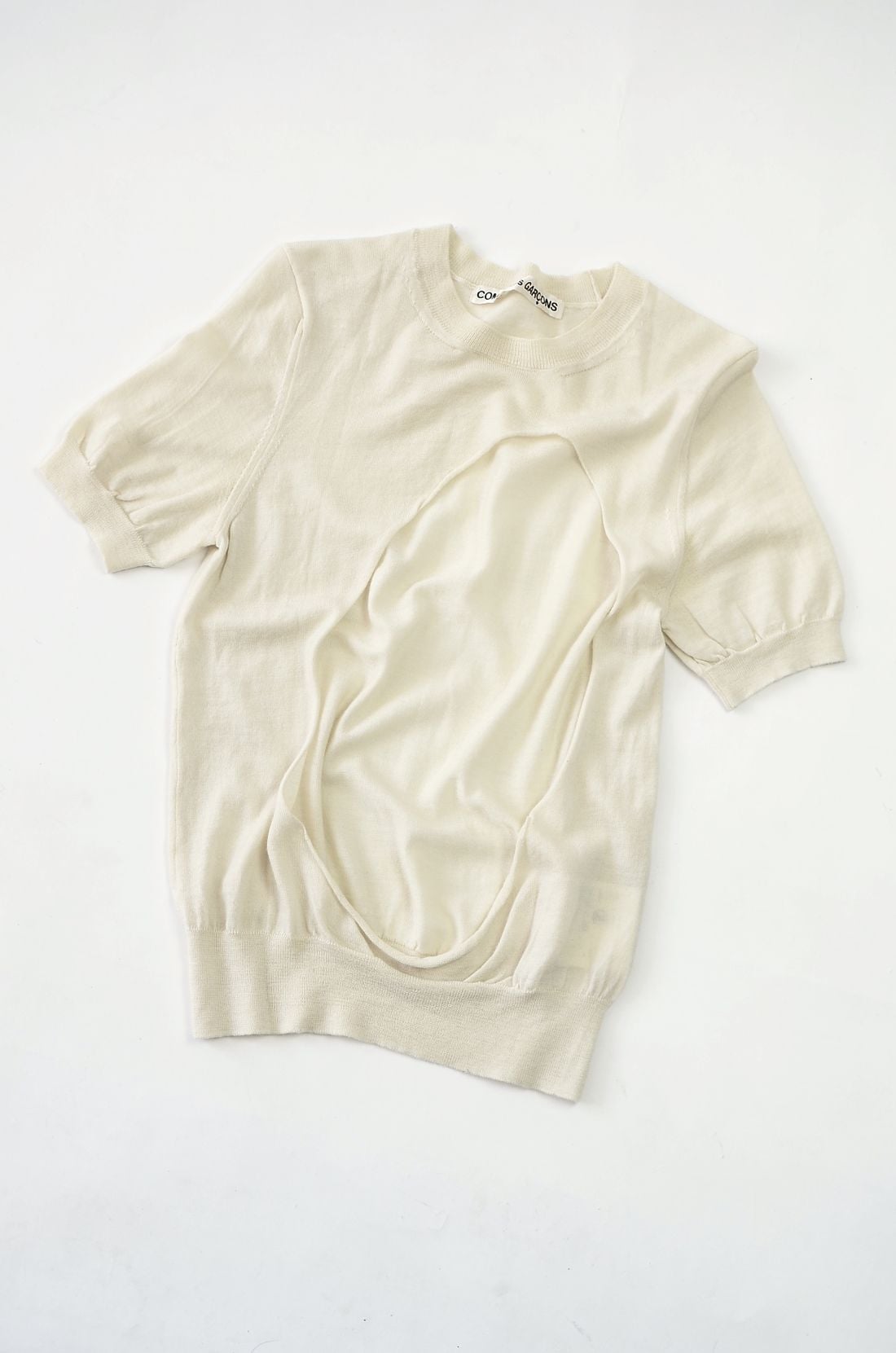
Keep garment shape, texture and clear space in balance. Set separate rules for flat lay, on-model and ghost mannequin imagery.
Bags & accessories
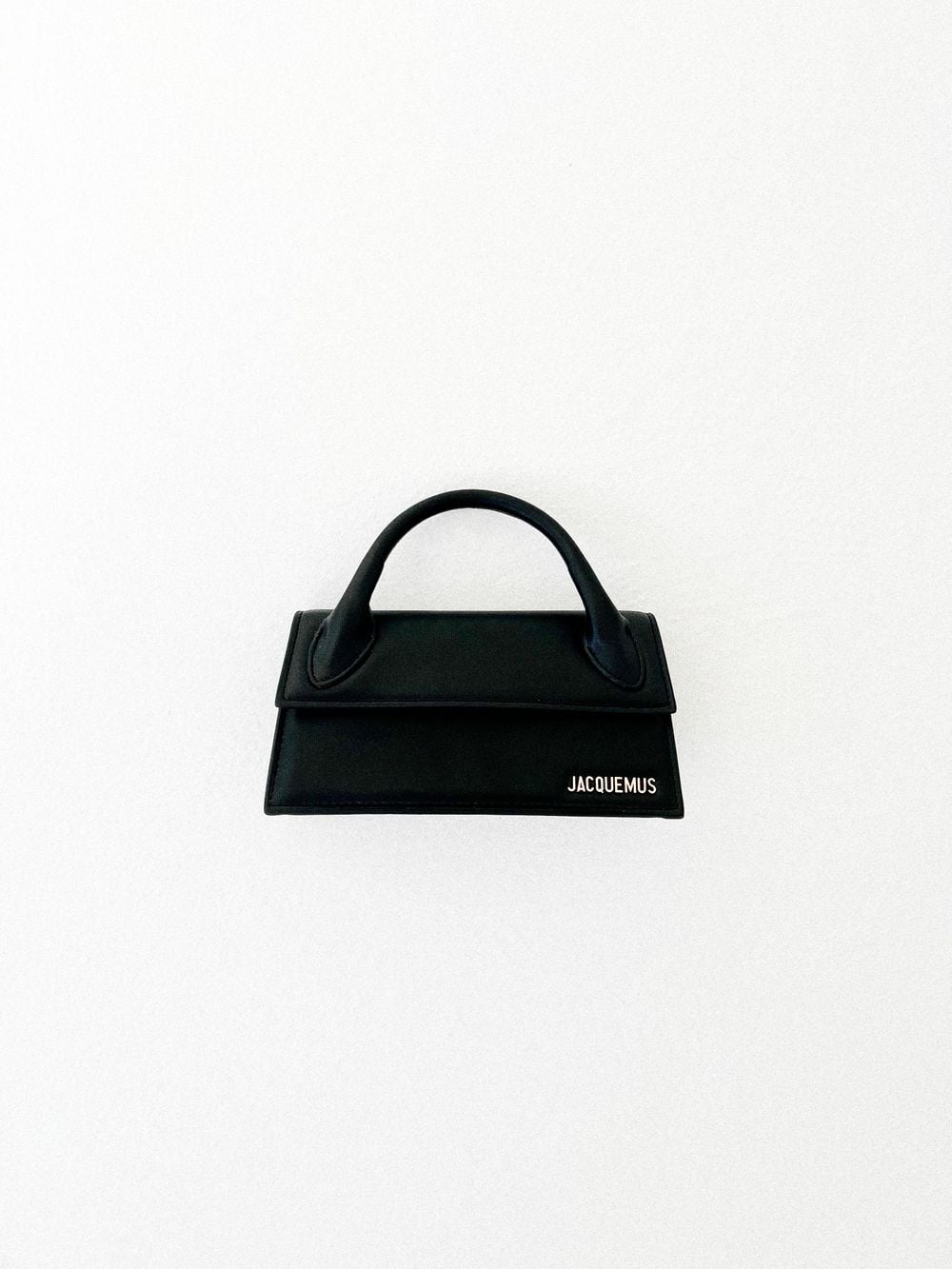
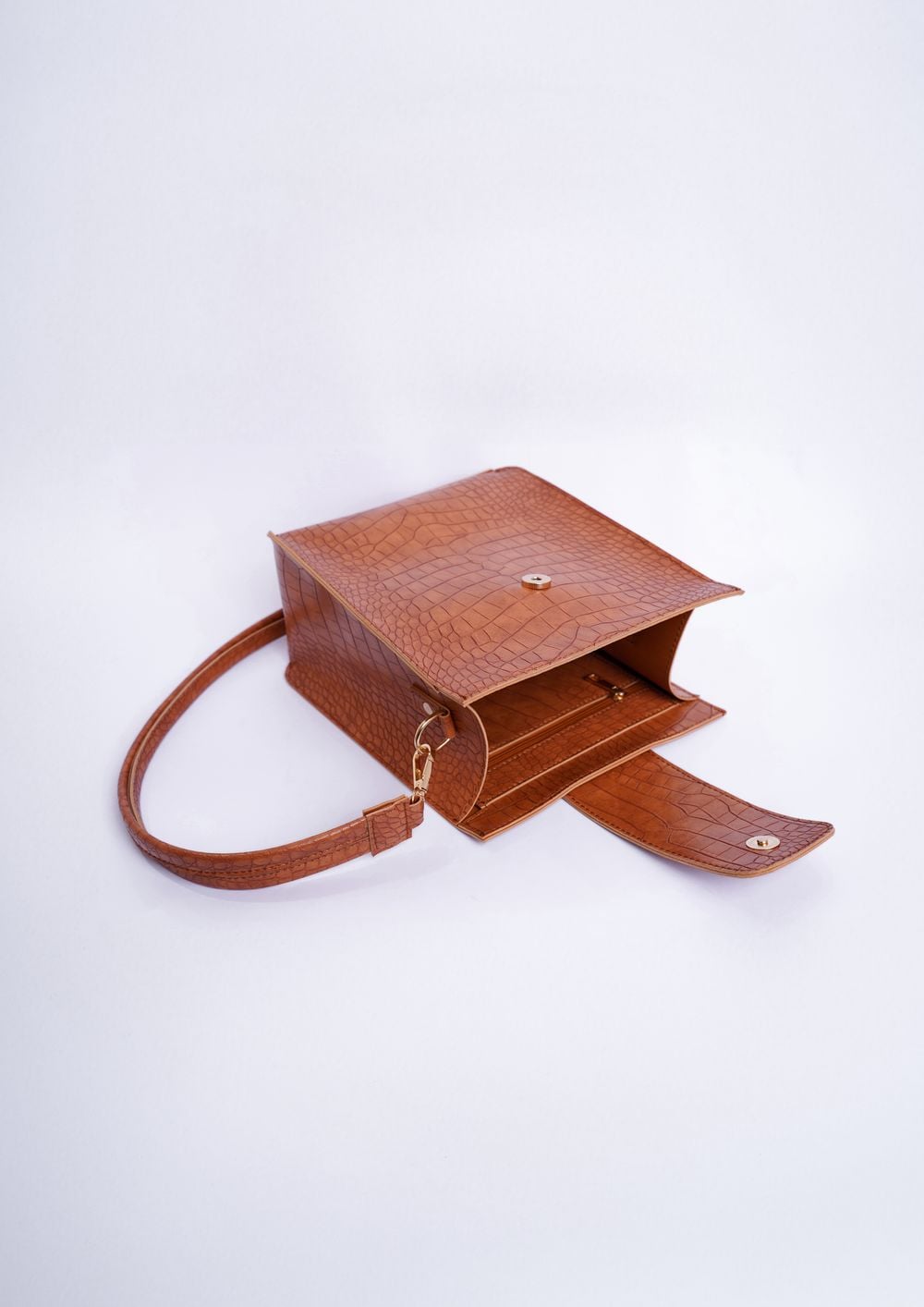
Define product fill, handle clearance and the treatment of leather, hardware and natural shadows.
Beauty & packaging
Review bottle edges, label detail and reflections. Keep the product recognizable across every required size.
The production workflow
Agree. Apply. Check. Deliver.
A repeatable process built around your team.
01
Review the sources
Send a representative mix of supplier and studio images. We review resolution, editing complexity, background variation and any missing information before confirming the scope.
02
Approve the standard
Agree category templates, color references and export rules. Use an initial sample batch to confirm the treatment and record the decisions your team approves.
03
Process & review
Apply approved instructions to the batch. Check individual files and related views together. Raise source limitations or exceptions for a clear decision.
04
Deliver & refine
Return the agreed files and versions in your delivery structure. Consolidate feedback, update the working references and carry approved corrections into subsequent batches.
Controlled quality
Review the detail. Review the collection.
Catalog consistency needs both individual image checks and a view of the batch as a whole. The approved reference is the basis for each decision.
Category template / AccessoriesFraming · Clear space · Detail
Visual checks
Inspect edges, product texture, shape and important identifying details. Compare background tone, cropping, product placement and shadows against the category guide.
Related-view checks
Review front, back and detail images together. Match product color and presentation without forcing different camera angles into an identical composition.
Delivery checks
Check requested dimensions, file type, naming and version structure. Use your supplied asset mapping and report ambiguous associations for review.
Source limitations
Low resolution, missing product detail and inconsistent lighting can limit the result. Standardization cannot recover verified details that were never captured or establish exact color without a reliable reference.
Prepare your standardization brief
Give the team a clear reference to follow.
Useful inputs make the scope and review easier.
What to send
Representative source files and product categories.
Approved images or an existing visual style guide.
Canvas sizes, alignment and margin requirements.
Background values and color references.
SKU naming, view labels and delivery folders.
Batch volume, deadline and review contact.
What to agree
List the edits and output versions needed for each category. Decide whether shadows are retained, cleaned or recreated, and which images keep a lifestyle background.
For marketplace image preparation, supply the current channel requirements. Different destinations can need different versions; we scope those exports explicitly instead of assuming one file will suit every channel.
Pricing and turnaround depend on source quality, image volume, editing complexity and the output list. A sample batch helps us assess the effort and agree a practical delivery plan.
Clear answers
Product image standardization FAQs.
It is the process of bringing product photos into agreed visual and technical standards. It can include backgrounds, crops, alignment, color matching, resizing and exports so images from different sources work together in a catalog.
Resizing changes pixel dimensions. Standardization also defines placement, margins, background treatment and presentation across related images. Resizing can be one step within the wider service.
Yes. Share representative files, your retailer guidelines and the asset mapping. We assess the source differences and agree the treatment. Low-quality, incomplete or uncertain assets are flagged for review.
No. Footwear, apparel, jewelry and packaging often need different placement and product-fill rules. Use category templates under one overall brand direction rather than forcing every product into the same composition.
We can agree consistent visual fill within a category. That is different from representing physical size accurately. If relative scale matters, provide measurements or approved size references so the presentation remains meaningful.
Color matching is assessed against approved references and source quality. Supply reliable color guidance and the intended color profile. Exact physical color should not be inferred from inconsistent or unclear source images.
Yes, when the required dimensions, file types and channel-specific rules are supplied and agreed. Multiple destinations may require separate exports. Marketplace approval itself depends on the platform and the complete listing.
We assess its limitations before committing to a treatment. Some files can be cleaned or adapted; others need replacement or new photography. We do not promise to recreate missing verified product details.
The quote considers image count, category mix, source variation, retouching complexity, revisions and output versions. Send representative files and the delivery requirements for a scope-based estimate.
Yes. Share a focused set of images, references and output requirements to discuss a complimentary trial. Approve the initial treatment, then assess a representative production batch before expanding the workflow.
Share source images, category guidelines and the formats your team needs. We’ll review the scope and discuss a trial that lets you assess consistency on your own content.