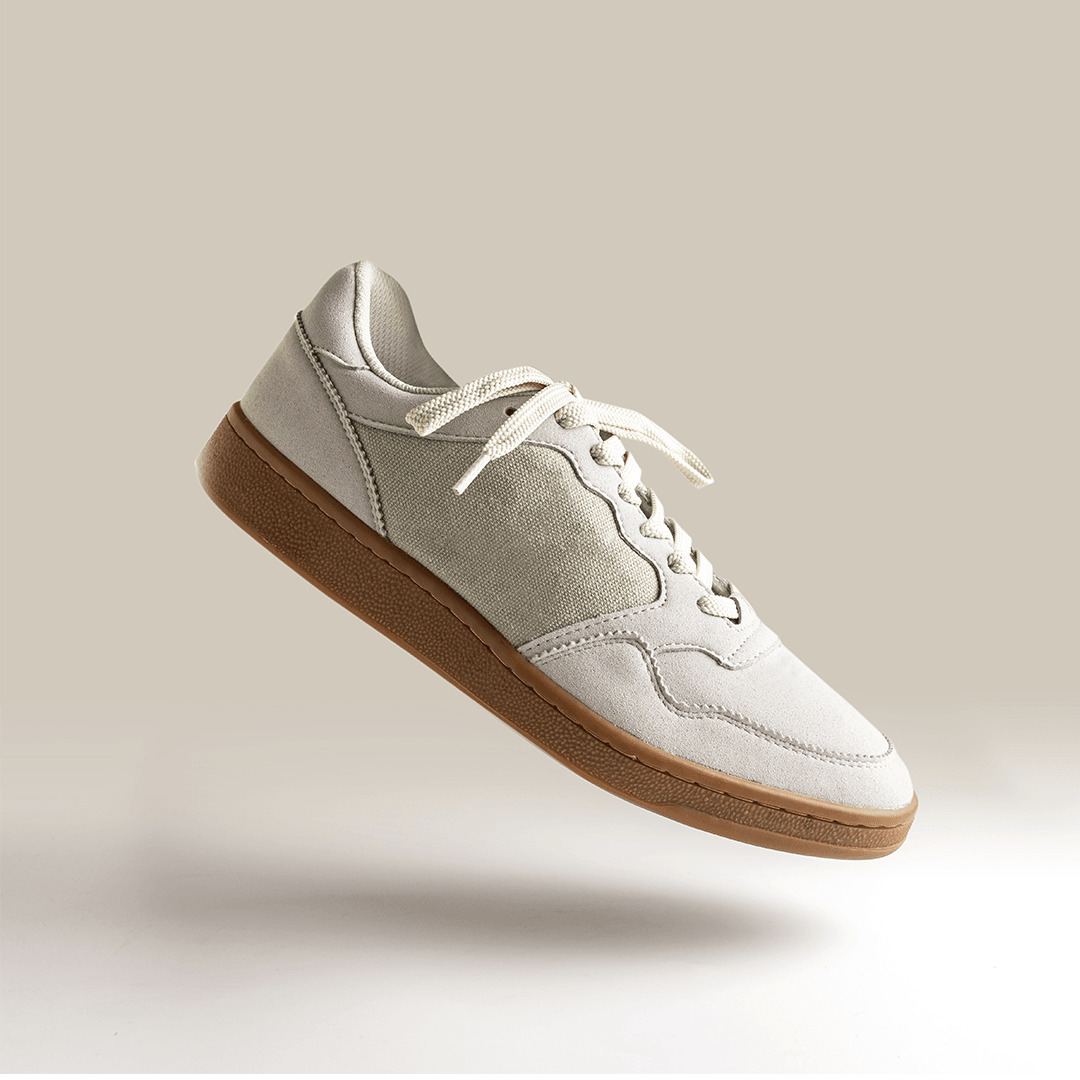
Photo / Product shadow creation services
Product shadow& reflectionediting.
Depth with intention.
A finish that belongs.
Product shadow and reflection editing for brands, retailers and creative teams. We preserve, create and refine the depth beneath your product, following the light, surface and visual standard in your brief.
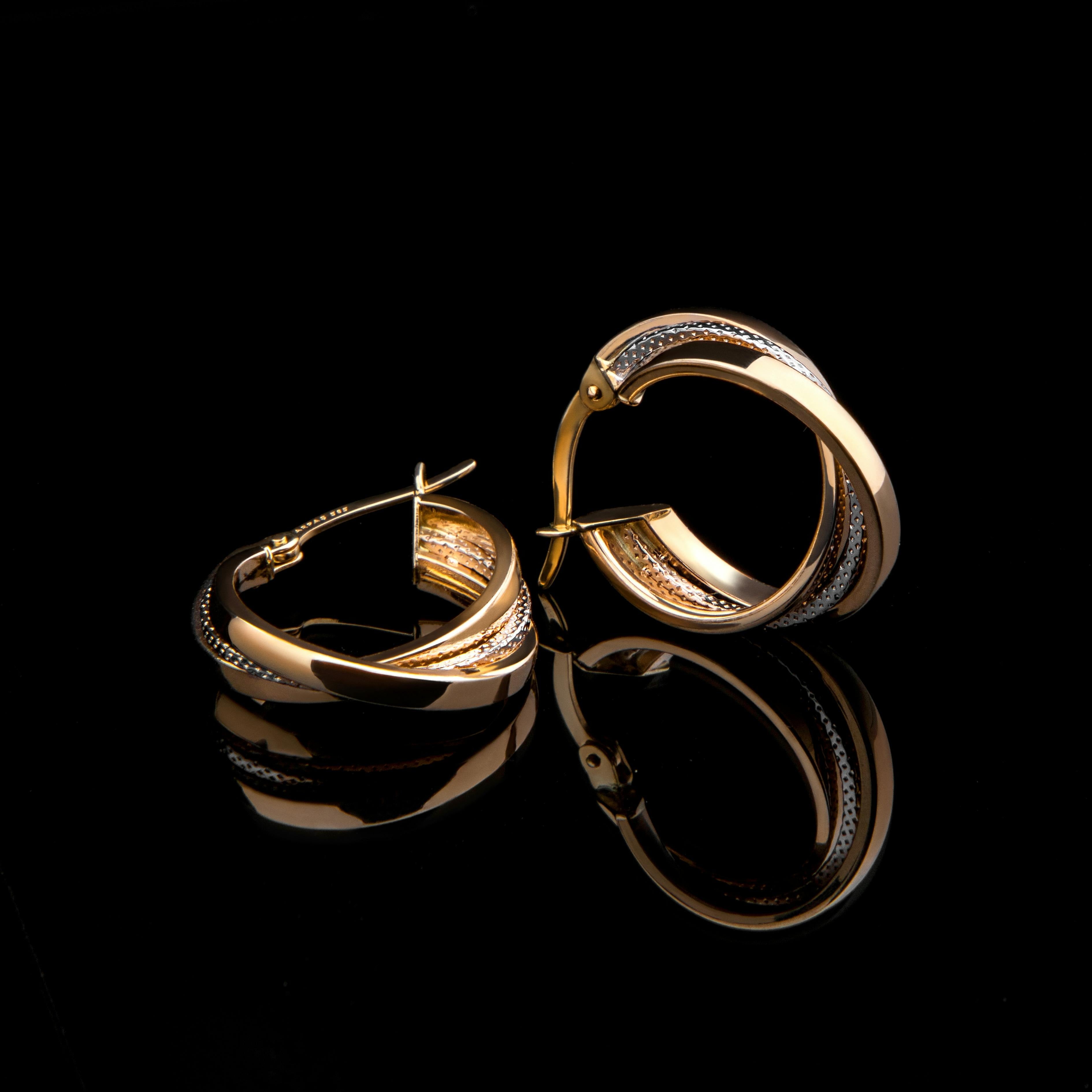
Jewelry & reflection / Selected imagery
DedicatedTeams aligned to your references
24/6Production across time zones
Since 2015Visual post-production support
ISO 27001Certified information security
Product photo shadow editing
Give the producta place to stand.
Shape, light and surface. Read together.
A product’s shadow helps describe its position and relationship to the surface beneath it. After background removal or a change in layout, that relationship can need careful attention. Product shadow creation rebuilds or refines it around the approved visual direction.
Our shadow creation services cover natural shadow preservation, drop shadow editing, cast shadows and reflection effects. We support white-background catalog images, colored product layouts and more expressive campaign photography, with the treatment chosen for its purpose.
We also refine existing reflections on glossy products where they distract from the subject. Your references establish what should remain, what needs to change and how the finish should carry across a set of images.
Product depth & presentationSubtle support.
Subtle support.
Considered presence.
Selected imagery from our existing website.
Explore the relationship between product and surface.
Footwear / Selected imagery
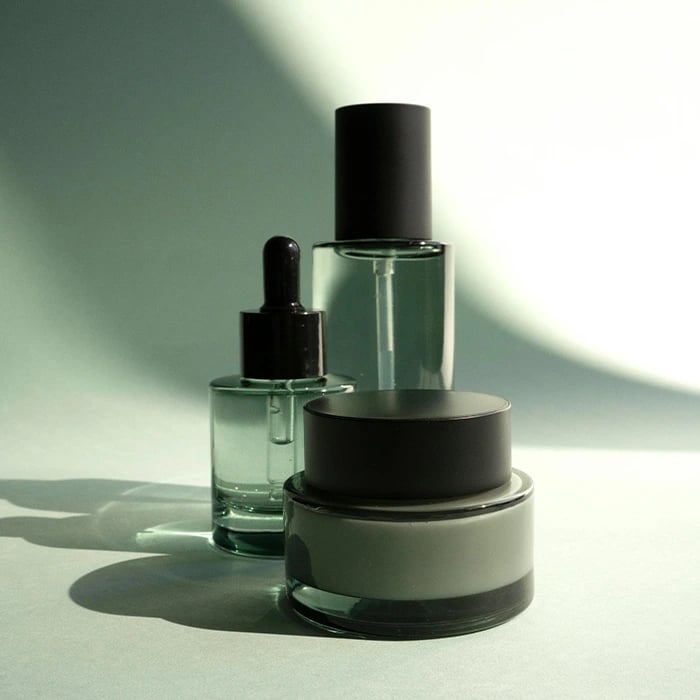
Light & direction
Shadow creation & reflection services
The light leads.The edit follows.
Choose the treatment with your references.
Keep the product’s shape and perspective intact.
Natural shadow preservation
Original light / Contact / CleanupKeep useful shadows already captured in the photograph while refining the surrounding background. Separate and clean the shadow where needed, preserving its relationship to the product. This can retain the character of the original studio lighting through background changes.
Drop shadow creation
Soft grounding / Density / PositionCreate a controlled drop shadow beneath or behind the product according to your reference. Adjust shape, position, softness and density to support the intended presentation. A subtle catalog shadow and a deliberate floating-product effect are scoped as different treatments.
Cast shadow editing
Direction / Length / FalloffCreate or refine a directional shadow that follows the agreed light source and surface. Review its geometry, contact area and softness as it moves away from the product. Campaign layouts can use a more pronounced treatment when the creative brief calls for it.
Reflection shadow creation
Mirror effect / Perspective / FadePrepare a reflected product image for the appearance of a glossy or mirrored surface. Review alignment, visible content, perspective and fade rather than relying on a simple vertical flip. Often called a reflection shadow service, this treatment is visually distinct from a cast shadow.
Product reflection cleanup
Glossy surfaces / Distractions / DetailRefine unwanted reflections in metal, glass and glossy packaging while retaining the highlights that describe the material. Review labels, surface detail and natural contrast. Extensive reconstruction or removal of an obscured reflection is assessed from the source files.
Shadow removal & replacement
Background changes / Rebuild / IntegrationRemove or reduce an unwanted shadow, then prepare the agreed replacement or shadow-free finish. Assess the product edge and background together. Rebuilding areas hidden by a dark shadow may require additional retouching, which is confirmed during file review.
Choose your product shadow styleOne finish
One finish
doesn’t fit
every surface.
Start with the brand reference and the image’s destination.
Natural shadows can preserve the original lighting. Drop shadows offer a controlled, repeatable treatment. Cast shadows establish stronger direction, while mirror reflections suggest a polished surface. A shadow-free image may also be appropriate for your specification.
We review the existing light, product angle, background and intended layout before recommending a treatment. Consistency means applying the same visual logic across a set, with adjustments for different views and product shapes.
Quiet, controlled depth
Agree the contact, density and softness for everyday product presentation. Keep the product readable on the approved background.
More expressive light
Use directional shadows or reflections where they serve the art direction. Define the surface and lighting reference before production.
Room for adaptation
Specify separate product, shadow and reflection layers when further layout work is needed. Confirm the file structure in the brief.
Reflection editing for product photography
The surface changes.The product stays true.
A reflection is part of the composition.
Its strength should follow the brief.
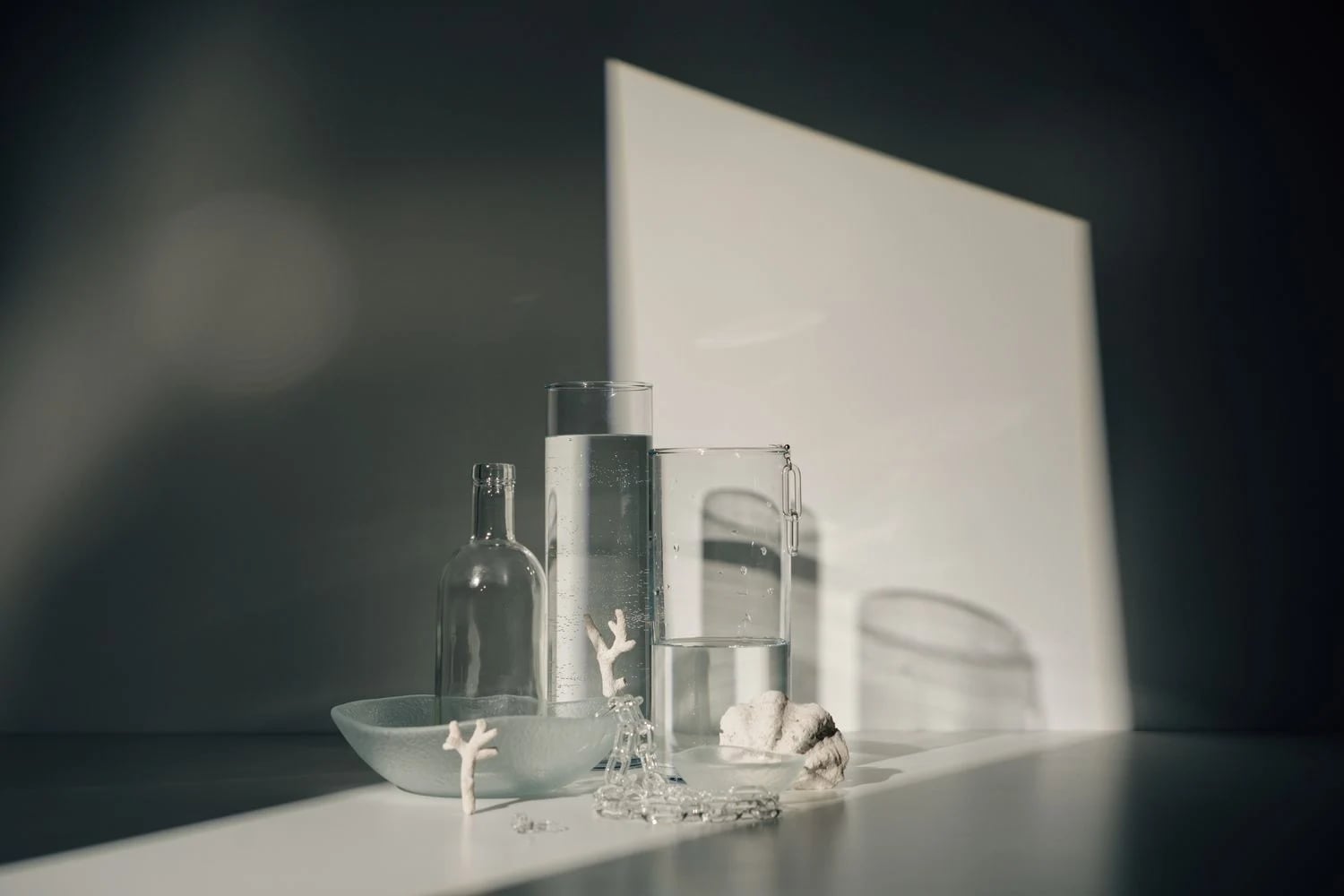
Mirror reflection & directional light
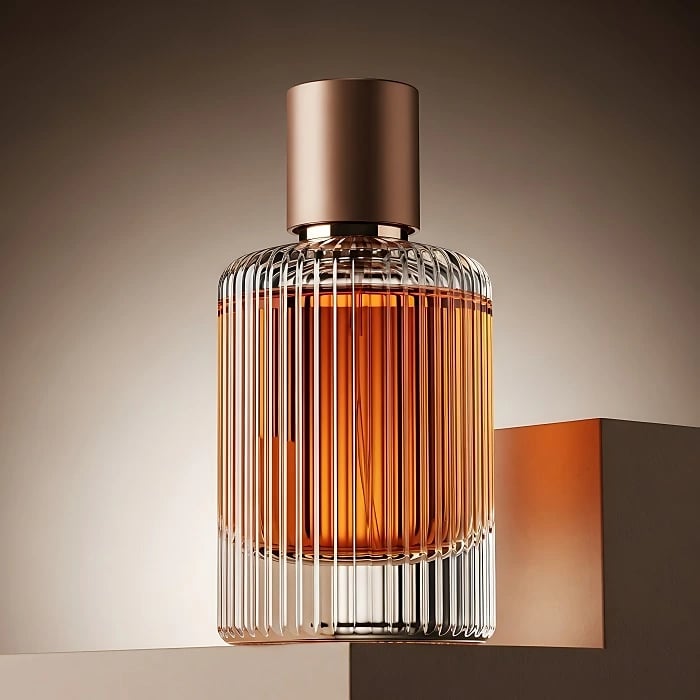
Stock reference / Image directionA reflected image beneath the product and a reflection on its surface require different decisions. The first establishes the setting; the second helps describe materials such as glass, polished metal or gloss packaging.
Share examples showing the amount of reflection you want to keep. We agree alignment, fade and surface appearance for a mirror effect, or the areas to clean when editing reflections already visible on the product.
E-commerce shadow creationAcross products.
Across products.
Within your standard.
Work from category-specific references.
Keep the presentation coherent across your catalog.
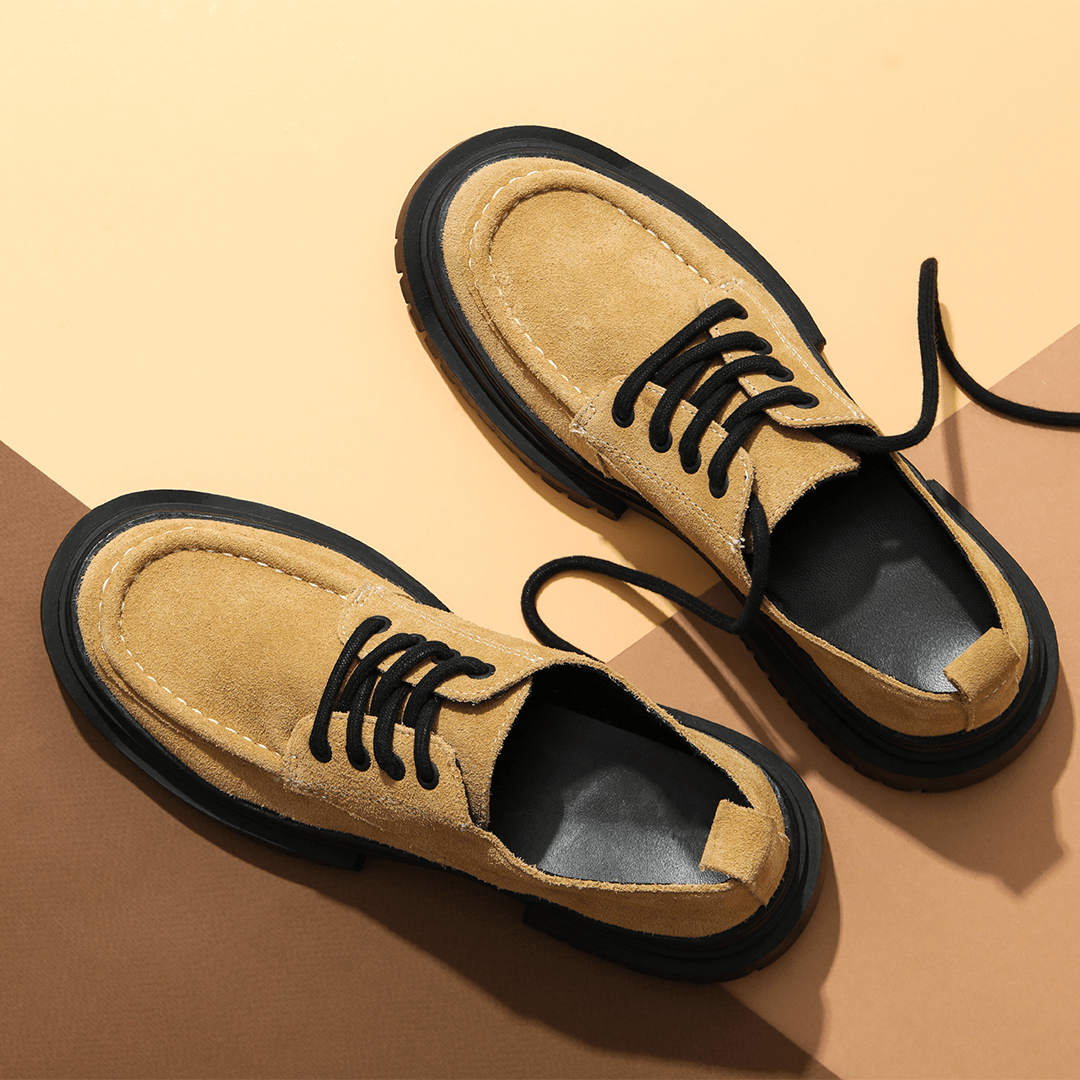
Footwear & product pages

Jewelry & accessories

Beauty & packaging

Collections & product sets
Cast shadow & contact detailDirection.
Direction.
Contact.
Falloff.
Small decisions make the depth believable.
Shadow editing is reviewed against the product’s visible lighting and the intended surface. We check where the object appears to touch the ground, how the shadow spreads and whether its direction supports the composition.
For a series, share representative views rather than only one image. Different camera angles and product shapes need adjustments to shadow position and geometry while keeping the same overall treatment.
Product shadow editing workflow
Approve the treatment. Carry it through the batch.
Dedicated teams work from your approved reference and output specifications. Define the visual decisions before broader production begins.
Review the images
Send original files, destination backgrounds and examples of the shadow or reflection you want. We assess existing light, complexity and required finishing.
Establish a reference
Use representative views to agree style, direction, contact, softness and reflection strength. Confirm any background removal or extra retouching.
Produce the edits
Preserve, create or refine shadows and reflections according to the approved treatment. Adapt the geometry to each product and camera view.
Review the set
Check product contact, light direction, edge quality and consistency. Compare the batch to your reference and resolve clearly identified feedback.
Prepare delivery
Export the agreed files, dimensions, color profile and background. Provide the confirmed layer structure and naming for your next production step.
Delivery & controlled qualityThe full image.
The full image.
The final file.
The finish and the handoff are reviewed together.
Specify flattened images on your chosen background or editable Photoshop files where separate shadow and reflection layers are needed. Include dimensions, color profile, crop, naming and any catalog template requirements.
We check the product-to-surface relationship, shadow boundaries, reflection alignment and intended density. Additional masking, color correction or surface retouching is included when agreed in the brief.
For recurring production, an approved sample and a shared checklist keep the treatment repeatable. Quote and schedule depend on image complexity, finishing scope, file requirements and batch volume.

Surface & contact
Selected imagery
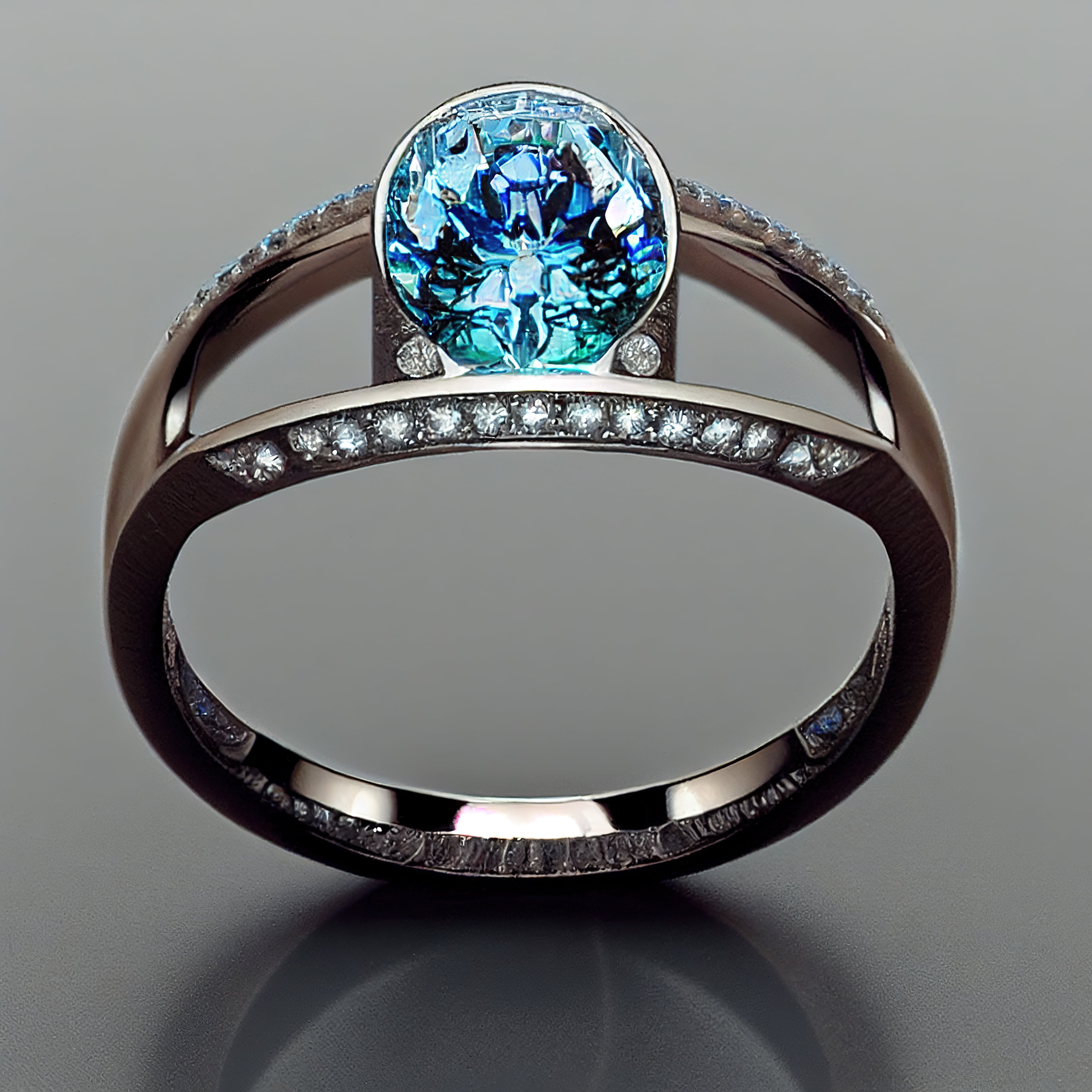
Alignment & reflection
Selected imagery
Product shadow creation requirementsDescribe the light.
Describe the light.
Agree the surface.
Use references that show the full treatment
A useful shadow creation brief shows the product, its contact with the surface and the surrounding space. Specify whether you want to keep an original shadow, add a soft drop shadow, create a directional cast shadow or use a mirror reflection. Include representative product views rather than a single image. The same reference logic can guide the set, but the geometry needs to follow each view.
Separate reflections beneath and on the product
Reflection shadow creation describes a reflected product image beneath the subject. Reflection cleanup addresses distractions already visible on glass, metal or glossy packaging. Identify which is required and the highlights that should remain. A reflective material needs tonal information to describe its shape; removing every highlight can change its character. Share destination backgrounds and layouts, especially when transparent surfaces retain color from the photographed setting.
Define integration and editable delivery
Tell us whether the product is already isolated or needs clipping path work alongside the shadow. Specify background, crop, margins, profile and final dimensions. If your designers need separate product, shadow and reflection layers, agree that file structure before production. Cleanup of obscured detail or substantial reconstruction is assessed separately. Review the complete product-and-surface relationship against the approved sample before expanding the treatment across a batch.
Service questions
Shadow & reflection editing FAQs
Connected product post-productionThe separation.
The separation.
The depth.
The complete finish.
Start with the visual referenceYour product.
Your product.
The right depth.
Share a few images, the shadow or reflection style you want and your delivery requirements. We will review the scope and prepare a trial for your team to assess.